
Basic structure
- Basic structure
- Title Page of the Publication
- Title
- Authorship and Institutional Affiliation
- Abstract
- Keywords
- Supplementary Materials
Basic structure
Every reputable scientific journal has established guidelines that include requirements for manuscripts submitted for publication, including the structure of the article. Most often, scientific publications follow the IMRAD structure. IMRAD stands for: Introduction, Methods, Results, and Discussion (see Fig. 1). These are the main sections of the publication and take up the most pages.
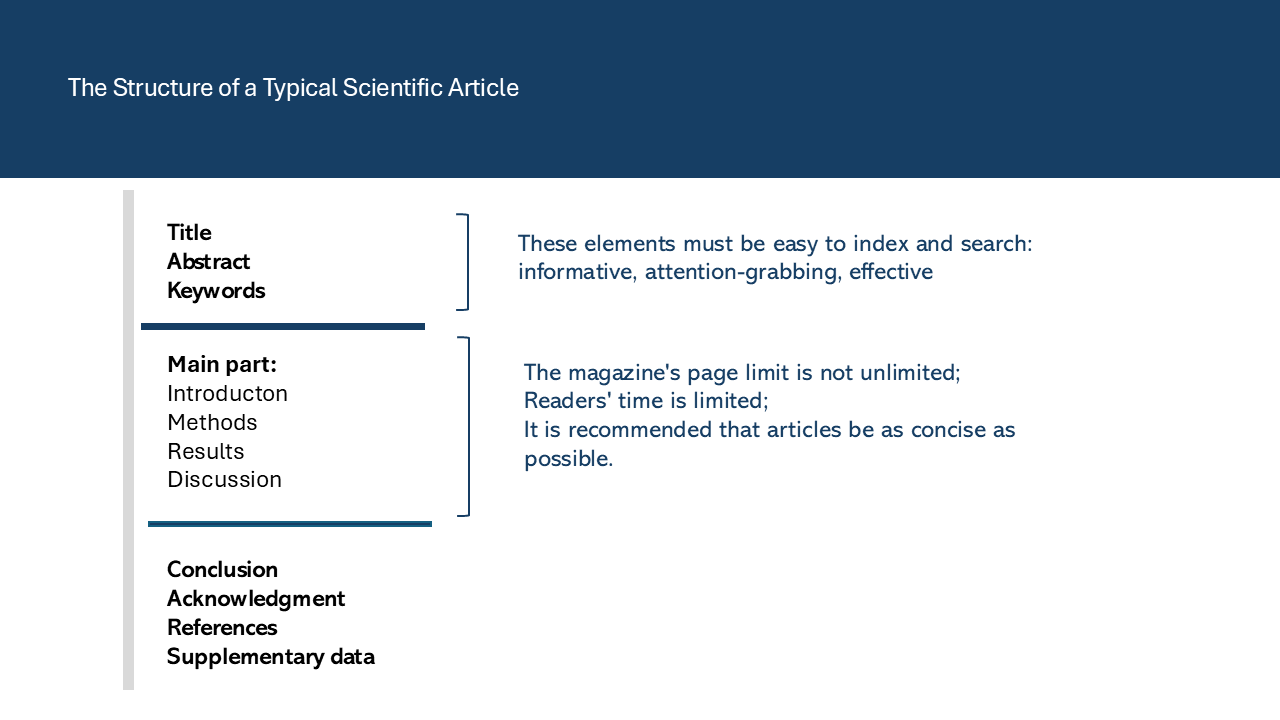
Fig. 1. The structure of a typical scientific article (Newman, 2016)
Researcher J.M. Swales describes the main sections of a publication as the “Hourglass Model” of a scientific publication’s structure, while M. Derntl supplements the model with other important text components: title, abstract, and list of references (see Fig. 2).
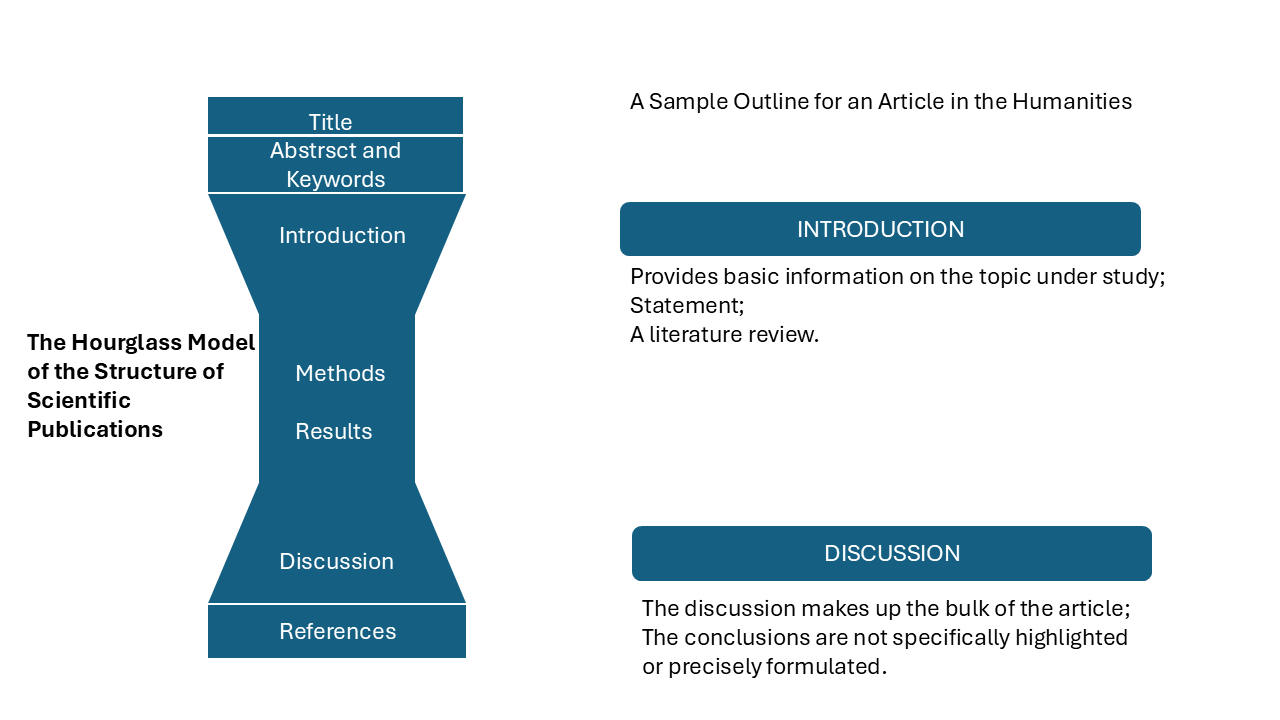
Fig. 2. Scientific publication’s structure (Derntl, 2014; Harold Washington College Library, 26.01.2026)
Important!
Before preparing your manuscript for publication, familiarize yourself with the journal’s guidelines.
Academic and scientific institutions and departments may have their own publication policies.
The structure of an article and the sections it should include may vary across different scientific disciplines.
Title page of Publication
The title page of a publication is the first page of the article and contains important information that must be presented in sufficient detail and in a clear format. This page must include all the information necessary for the reader to identify the article’s content, its author(s), the article’s origin, and the type of publication. The title page is added to the publication at the end of the article’s preparation.
The title page may contain the following elements: the title of the publication, authors, each author’s affiliation, corresponding author, keywords, list of abbreviations, type of publication, word count, information on financial support, etc. The layout of the information on the publication’s title page differs between the downloadable PDF version and the online version (see Fig. 3).
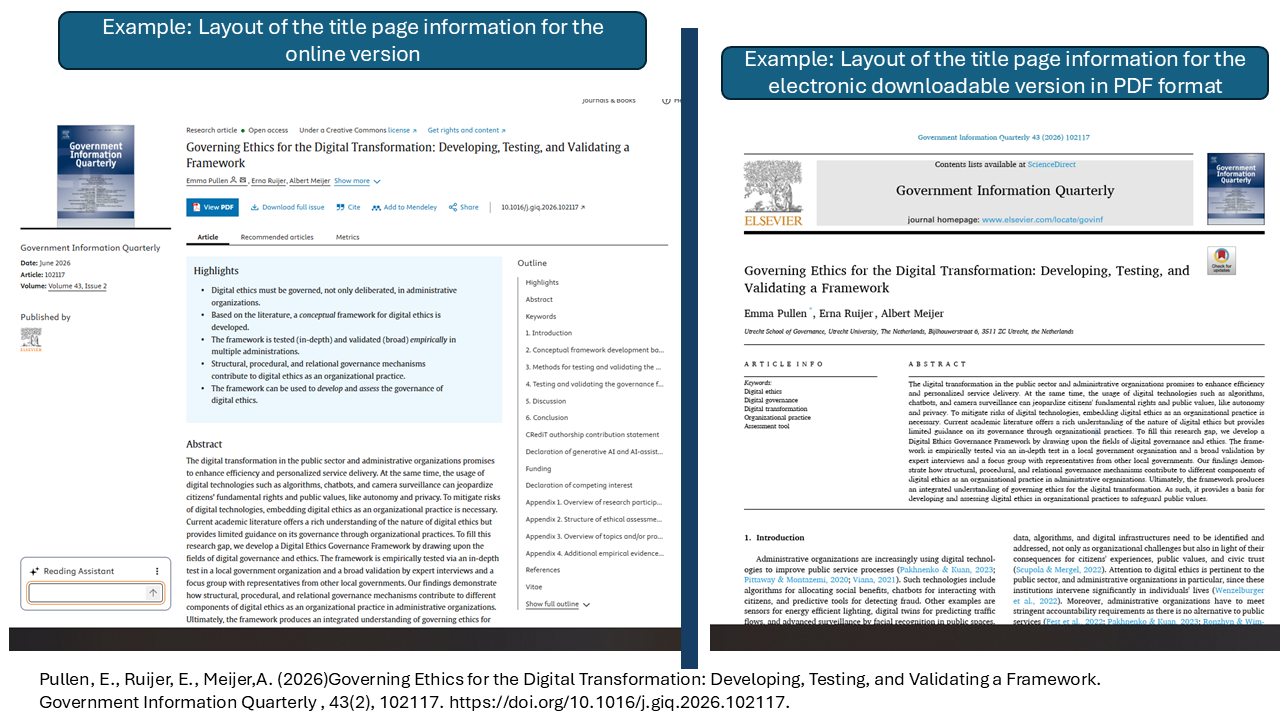
Fig. 3. Examples of how to arrange information on a publication's title page
Title
The title is the first thing the reader sees, so it must be detailed enough to describe the content of the publication and be understandable even to non-specialists. The title should clearly and effectively convey the study’s main concepts, context, and significance. The optimal length for a title is 14 to 16 words.
Important!
The title is one of the primary parts of a text from which data is extracted for indexing and information retrieval in databases and on the web.
Autorship and Institutional affilation
The title page also includes information on the authorship of the article, providing details about the authors and the institutions they represent. Different research fields have different rules regarding the order in which authors should be listed in a publication. For example, in the biological sciences, the general rule is to list first the researcher who conducted and wrote the largest portion of the study, while the principal investigator of the laboratory should be listed last. In physics, many participants may be involved in conducting research, and it is generally accepted to list them in alphabetical order. When submitting a paper, all authors must be listed from the very beginning.
All research outputs should include standardized information on authorship and institutional affiliation because:
this is good practice in scholarly communication.enables international bibliographic, citation, and full-text databases, digital archives, and repositories to identify and process all items authored by a specific person and/or institution as a single entity;
enhances the visibility of the institution and of each individual researcher in bibliometric analyses;
nables more efficient automatic collection of data from databases and integration of that data into the information systems of scientific institutions;
positively impacts the institution’s standing in international rankings.
Important!
Before formatting your article, familiarize yourself with the traditions and guidelines of the field, and find out whether the academic institution you represent has established recommendations regarding how to indicate authorship and affiliation.
Abstract
The Abstract is one of the most-read elements of a publication and typically consists of 100 to 250 words. It gives readers an idea of the publication’s content and encourages them to read the entire publication. An effectively written abstract will help your article pass the initial editorial screening and be sent for peer review.. The content of the abstract is also crucial for ensuring its discoverability through search engines and indexing databases.
Keywords
When readers view a publication for the first time, keywords help them quickly understand its content and also make it easier to find the publication on the web and in online databases. Keywords should supplement the information contained in the title by using terms and words that are widely used in the relevant field or group of fields (primarily at the international level).
Important!
Avoid using overly broad terms.
Reviewing the keywords used in other publications with similar content can help you come up with your own keywords.
Supplementary Materials
Presentation “Basics of Paper Writing and Publishing in TEL” (Autori: Michael Dental, Milos Kravcik, Ralf Klamma)
Video “Zinātniskas publikācijas struktūra” (“Structure of a research paper”) (Autors: John McDonald)
Video “Zinātnisko publikāciju nosaukumi” (“Research Paper Titles”) (Autore: Sheryl Holt)
Video “Kā uzrakstīt zinātniskās publikācijas nosaukumu” (“How to Write a Research Paper Title”) (Autorība: WORDVICE)
References
Derntl, M. (2014). Basics of research paper writing and publishing. International Journal of Technology Enhanced Learning, 6, 105-123. https://doi.org/10.1504/IJTEL.2014.066856
Newman, A. (2016). How to Write Great Papers and Get Published. Understanding and benefiting from the publishing process [presentation]. https://www.slideshare.net/slideshow/how-to-write-a-great-research-paper-and-get-it-accepted-by-a-good-journal-january-2016/57912533
Harold Washington College Library. (26.01.2026). How to Read Scholarly Articles: The Anatomy of a Scholarly Article. https://researchguides.ccc.edu/c.php?g=516083&p=3571310